The short version
HSE sums up legionella control in a home in one line: “keep the hot water hot, cold water cold and keep it moving”. Almost every action in this lesson is one of those three, or it removes the thing that needed controlling in the first place.
HSE’s simple control measures
HSE says: “Implementing simple, proportionate and appropriate control measures will ensure the risk remains low.” Between its landlord guidance and HSG274 Part 2, it lists five:
- Flush out the system before letting the property.
- Keep debris out of the system. For example, make sure any cold water tank has a tight-fitting lid.
- Set control parameters. For example, set the hot water cylinder so that water is stored at 60 °C.
- Remove any redundant pipework that is identified.
- Advise tenants to regularly clean and disinfect shower heads.
Remove first, then control
There are two ways to deal with a source of risk. You can control it, which means doing something regularly for as long as it is there. Or you can remove it, which is done once. Where removal is practical it is the better answer.
| The source | Control it | Or remove it |
|---|---|---|
| An outlet nobody uses | Flush it every week | Take it out and cut the pipe back |
| A capped pipe | It cannot be controlled | Cut it back to where water flows |
| A cold water tank | Lid, insulation, yearly inspection, cleaning when needed | Feed the outlets from the mains and fit a system that needs no tank |
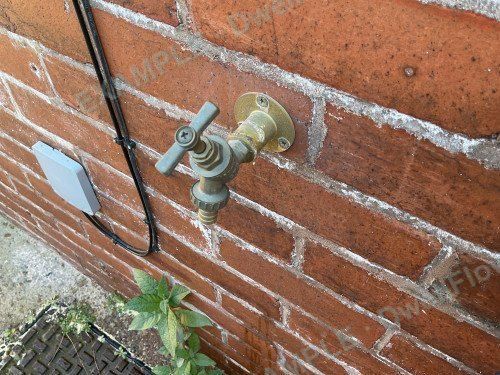
| A hose left on the outside tap | Drain it after every use | Disconnect it and store it |
Removal is not always worth its cost. A sound, covered tank in a busy family home may be best left alone and looked after. The point is to consider it, especially when a tank is in poor condition and is going to cost money to put right either way.
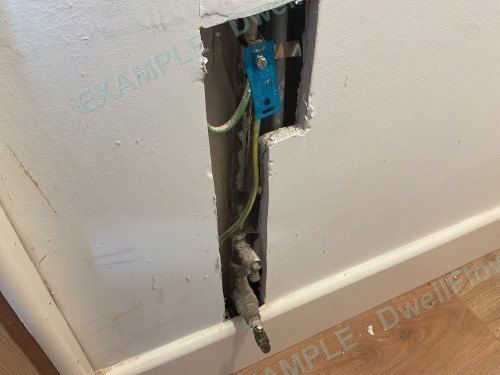
Stop and thinkA downstairs shower room has not been used for two years, and the landlord has no plans for it. Flush it weekly, or take it out?Show the answer
Take it out, if it really is not wanted, and have the pipes cut back to where water still flows. Weekly flushing works, but someone has to do it every week for as long as the shower is there, and the first week it is forgotten the risk is back. Removal is done once.
The fix for each common finding
Hot water
| Finding | What to do | Who |
|---|---|---|
| Cylinder storing below 60 °C | Raise the cylinder thermostat to 60 °C, and check any immersion heater thermostat separately. Check the timer runs long enough to reach it. Take the temperature again. | Landlord, or a heating engineer |
| Hot tap not reaching 50 °C in a minute | Find the cause: stored water too cool, a long pipe run, or no insulation. Put it right and take the temperature again. | Heating engineer or plumber |
| A mixing valve delivering too hot or too cool | Have it checked, reset to the maker’s setting and serviced. | Plumber |
Cold water
| Finding | What to do | Who |
|---|---|---|
| Cold above 20 °C because the supply is arriving warm | Nothing in the property needs altering. Run the cold taps through in hot spells, and take the readings again in cooler weather. | Landlord and tenant |
| Cold above 20 °C at one outlet only | Trace the pipe. Insulate it, and separate it from any hot pipe it touches. | Plumber |
| Tank with no lid, or a poor one | Fit a rigid, close-fitting lid. | Plumber |
| Tank running warm | Insulate the tank and the pipes around it. | Plumber |
| Sediment, rust or slime in the tank | Have the tank cleaned and disinfected. Fix the lid first, or it will be dirty again within months. | A firm that cleans and disinfects water systems |
| Open vent or overflow | Fit a screen. | Plumber |
| A drinking tap fed from the tank | Have it moved to a mains supply. Until then, tell the tenant which tap to drink from. | Plumber |
| A tank that feeds nothing | Have it disconnected at a live point on the pipework, drained and removed, leaving no capped stub. | Plumber |
Water that does not move
| Finding | What to do | Who |
|---|---|---|
| An outlet used less than once a week | Put it on a weekly flushing routine, or remove it and cut the supply back. | Tenant for flushing; plumber for removal |
| A capped pipe or blind end | Cut it back to the nearest point of flowing water. Capping closer to the wall does not remove the standing water. | Plumber |
| An outlet that gives no water | Repair it, or remove it and cut the supply back. | Plumber |
| Heating filling loop left connected | Disconnect one end and store it. Reconnect only to top up the heating. | Landlord, or the engineer at the next service |
| Expansion vessel on the water pipework | Include it in routine servicing. Note its date so that replacement can be planned. | Heating engineer |
| Filters, softeners, scale reducers | Service or replace to the maker’s schedule, and write down when. | Landlord or engineer |
Spray and deposits
| Finding | What to do | Who |
|---|---|---|
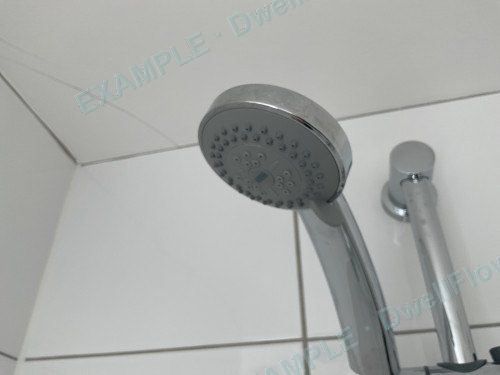
| Scale or slime on a shower head | Take off the head and hose. Clean, descale and disinfect them, or replace them if they are badly fouled. Then repeat every three months. | Tenant, or the landlord between tenancies |
| A shower hose that reaches the toilet or lies in the bath | Clip it back or fit a shorter hose, so the head hangs clear at full stretch. | Landlord |
| Limescale on taps and outlets | Descale, then keep on top of it as part of ordinary cleaning. | Tenant |
| Outside tap with no check valve | Fit a double check valve, so water cannot flow back from a hose. | Plumber |
| Hose left connected | Disconnect and drain it after each use, and store it off the ground. | Tenant |
| Whirlpool or spa bath | Run it through regularly and clean the jets to the maker’s instructions. After two weeks or more unused, purge it on hot with the room ventilated before anyone bathes. | Tenant |
| Old flexible hoses under basins | No urgent action. Replace with approved hoses or rigid pipe when they are next disturbed. | Plumber |
How to flush an outlet
HSE’s guidance for an infrequently used outlet is to flush it weekly, “until temperature stabilises and is comparable to supply water”. In practice:
- Turn the tap on slowly, so the first water does not splash or spray.
- Run it until the hot runs properly hot or the cold runs properly cold. A few minutes is usually enough.
- For a shower, lower the head into the bath or tray before you turn it on, and step back. The first water out of an unused shower is the water you least want to breathe.
- Flush the toilet with the lid down.
- Write down the date.
An empty property
An empty home is the commonest way a low-risk water system becomes a risky one. HSE’s guidance has three parts:
- While it is empty. “As a general principle, outlets on hot and cold water systems should be used at least once a week to maintain a degree of water flow and minimise the chances of stagnation.”
- If it will be empty for a long time. HSE says to consider “a suitable flushing regime or other measures such as draining the system”. A system that has been drained or shut down should be flushed through, and cleaned and disinfected if need be, before the home is let again.
- Before a tenant moves in. “Flushing out the system prior to letting the property” is the first control measure on HSE’s list. Bring the hot water up to temperature, run every outlet until the hot is hot and the cold is cold, and clean and disinfect the shower heads.
The same applies on a smaller scale to a tenant who has been away. A tenant back from three weeks’ holiday should run the taps and the shower for a few minutes before using them. Tell them so. There is more in legionella in an empty property.
Stop and thinkA house falls empty in June and the new tenant moves in on 1 September. Nobody has been in. What should happen before they arrive?Show the answer
The water has stood through the warmest months of the year. Bring the hot water up to temperature, then run every outlet until the hot runs hot and the cold runs cold. Take off the shower heads, descale and disinfect them. Then take a set of temperatures, so there is a record that the system was in control on the day the tenancy began.
Hot water and scalding
Storing water at 60 °C controls legionella and creates a different hazard: water that hot can burn. Young children, older people and anyone with reduced sensation or mobility are most at risk. The two risks have to be managed together.
- Never lower the cylinder or boiler temperature to manage scalding. That trades one risk for the other.
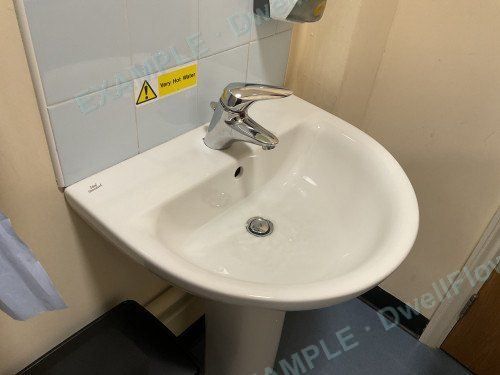
- Control the temperature at the outlet instead. A thermostatic mixing valve at a bath or basin blends the water down at that one point, while the stored water stays hot.
- In a private home this is a choice, not a rule. Hot water at 50 °C or more at a tap is normal plumbing in a house. Building regulations ask for the temperature at a bath to be limited in new homes. HSE’s 44 °C figure is for vulnerable people in settings such as care homes. A landlord may still choose to fit a mixing valve where a tenant is at particular risk.
- A mixing valve needs looking after. It holds blended, warm water, so HSE’s guidance asks whether each one is needed, and for those that are to be inspected, cleaned and descaled yearly. Do not fit them where they are not needed.
What to deal with first
Not every finding is equally urgent. Put them in order by asking two questions: how much does this let bacteria grow, and how directly does it reach someone’s lungs?
- First: stored water at the wrong temperature, an open or dirty tank, a fouled shower head, a property that has been standing empty. These combine growth with spray.
- Next: unused outlets, redundant pipework, outlets that do not reach temperature, missing backflow protection.
- When convenient: insulation, flexible hoses, labelling the stop tap, servicing small devices.
Move anything up the list if the household includes someone in a higher risk group.
Keeping the controls working
Fixing a fault once is not the end of it. HSG274 Part 2 lists “periodically checking that any control measures are effective” as part of the duty. For a rented home, a workable routine is short:
| When | What |
|---|---|
| Every week | Any little-used outlet is run. Every outlet, if the property is empty. |
| Every three months | Shower heads and hoses cleaned and descaled. |
| At each visit you already make | A hot and a cold temperature. A look at the shower heads. A question to the tenant about unused outlets and about the hot water. HSE names gas safety checks and routine maintenance visits as suitable moments. |
| Every year | Any cold water tank inspected. Any mixing valve, expansion vessel and filter serviced. |
| Between tenancies | The whole system flushed. Shower heads cleaned and disinfected. |
| When something changes | The assessment reviewed. Lesson 8 lists the triggers. |
Written down, this routine is called a written scheme of control. It says what is done, how often and by whom.
What not to do
- Do not turn the hot water down to save energy or prevent scalds.
- Do not cap a pipe and call it removed. Cut it back.
- Do not rely on a water test in place of controls. HSE says testing is not usually required in a home, and a clear result today says nothing about next month.
- Do not fit a filter, softener or mixing valve and forget it. Each one needs servicing or it becomes a source of risk itself.
- Do not do work you are not qualified for. Gas appliances, unvented cylinders and electrics each have their own rules about who may work on them.